






Every generation is born into a different world.
The battles change. The tools change. The language changes. But the search remains the same.
Human beings have always wanted the same things: freedom, belonging, purpose, and something greater than themselves to believe in.
Our ancestors gathered around fires and told stories that carried their hopes and fears. Communities were built around villages, religions, nations, music, and movements. People have always needed something that connected them beyond their individual lives.
Today, many of those fires exist somewhere else.
They exist online.
They exist inside communities built by strangers who somehow feel like family.
They exist around ideas that at first look strange, impossible, or even ridiculous.
But history has always been written by people willing to believe in something before the rest of the world understood it.
That is why I believe the next chapter of digital culture deserves attention.
Not because everything new is automatically valuable.
Not because every project will succeed.
But because every generation creates symbols that represent what it is searching for.
Bitcoin was one of those symbols.
And for many of us, Bitcoin was the first time we saw money differently.
Bitcoin: The First Spark
Bitcoin was never just a financial asset.
At least, that wasn’t the reason people fell in love with it.
The deeper attraction was the idea behind it.
A world where individuals could own something outside the control of traditional institutions. A system built on mathematics instead of trust. A network where participation mattered more than status.
It represented independence.
It represented questioning.
It represented the possibility that ordinary people could build something powerful without waiting for permission.
That idea changed millions of people.
It changed me.
Bitcoin will always have a special place in my story because it was the first thing that opened my eyes. It taught me that the world wasn’t as fixed as people told us it was. It showed me that systems could be challenged and that ideas could become stronger than the people who doubted them.
But every revolution eventually reaches a crossroads.
The outsider becomes recognized.
The unknown becomes familiar.
The rebellion becomes accepted.
Bitcoin achieved something incredible. It went from being dismissed as internet money to becoming one of the most recognized financial innovations in modern history. Governments discuss it. Institutions hold it. Traditional finance built products around it.
That is not a weakness.
That is the ultimate proof that it mattered.
But every success changes the relationship between a movement and the people discovering it.
A young person discovering Bitcoin today is entering a different world than someone who discovered it years ago.
They are not finding a hidden treasure.
They are finding a monument.
And monuments are respected, but they don’t always inspire the same feeling as discovering something before anyone else knows its name.
The Search for Something New
I think many people misunderstand why younger generations look beyond Bitcoin.
They assume it is only about chasing higher returns.
I don’t believe that’s the full story.
Something deeper is happening.
The world younger people inherited is complicated. They grew up surrounded by technology, but many feel disconnected from each other. They can reach anyone instantly, yet genuine connection feels harder to find. They have access to endless information, but finding meaning has become more difficult.
We live in a strange time.
People are more visible than ever, but many feel unseen.
People have more ways to communicate than ever, but many feel unheard.
People have more entertainment than ever, but many feel empty when the noise stops.
Loneliness is not just an emotion anymore.
It has become part of the environment.
And human beings have always searched for an answer to loneliness.
We create communities.
We create art.
We create movements.
We create stories.
Because deep down, people don’t only want ownership.
They want belonging.
That is something many people overlook when they look at crypto. They see numbers, charts, and speculation. They forget that behind every wallet is a person. Behind every transaction is someone making a decision based on a belief about the future.
The strongest movements are never only financial.
They are emotional.
They give people a reason to participate.
A reason to wake up.
A reason to feel like they are part of something.
Finding SPX6900
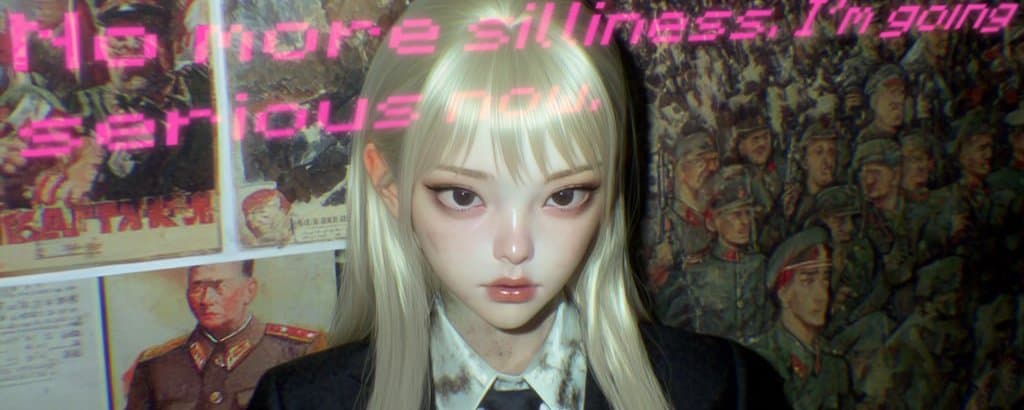
That is what brought me toward SPX6900.
Bitcoin was my first love.
It still is.
But sometimes you can respect something deeply while realizing you are searching for something else.
I don’t see SPX6900 as a replacement for Bitcoin. I see it as a different expression of the same human desire that created Bitcoin in the first place.
The desire to create something outside the ordinary.
Something that doesn’t follow the traditional path.
Something that makes people stop and ask questions.
At first glance, many people see only a meme.
But throughout history, people have underestimated the power of symbols.
A flag is just fabric.
A painting is just paint.
A song is just sound.
Until millions of people decide it represents something more.
Meaning is created collectively.
Culture gives objects their importance.
A meme is not just a joke when it becomes a language shared by millions of people. It becomes a reflection of a generation’s humor, frustrations, dreams, and worldview.
SPX6900 represents something that is difficult to measure but easy to feel.
It represents the idea that the internet itself has become a place where movements are born.
Not in offices.
Not in boardrooms.
Not through permission.
Through people.
Through community.
Through belief.
A while ago, I made a decision that many people would consider extreme.
I swapped all of my Bitcoin for SPX6900, while keeping part of my portfolio in ETH.
That decision wasn’t made because I stopped appreciating Bitcoin.
It was made because I believe every generation eventually searches for its own symbol.
The same way previous generations found their identity through different movements, technologies, and cultural moments, the internet generation will create its own.
And I believe SPX6900 represents a piece of that search.
Culture Creates Value Before Markets Understand It
The mistake many people make is believing value only comes from numbers.
But numbers are often the final chapter.
Culture is the beginning.
Before something becomes valuable, people have to believe it matters.
Before a piece of art becomes priceless, someone has to recognize something special in it.
Before a company becomes legendary, someone has to believe in its mission before the world notices.
The market is often the last place where belief appears.
First comes the community.
Then comes the story.
Then comes recognition.
This is why I believe the next era of digital assets will not only be about technology.
Technology matters.
But culture matters too.
Because technology can be copied.
Culture cannot.
Anyone can create a similar product.
Nobody can recreate the exact moment when people decide something has meaning.
Aeon: The Art of a Digital Generation
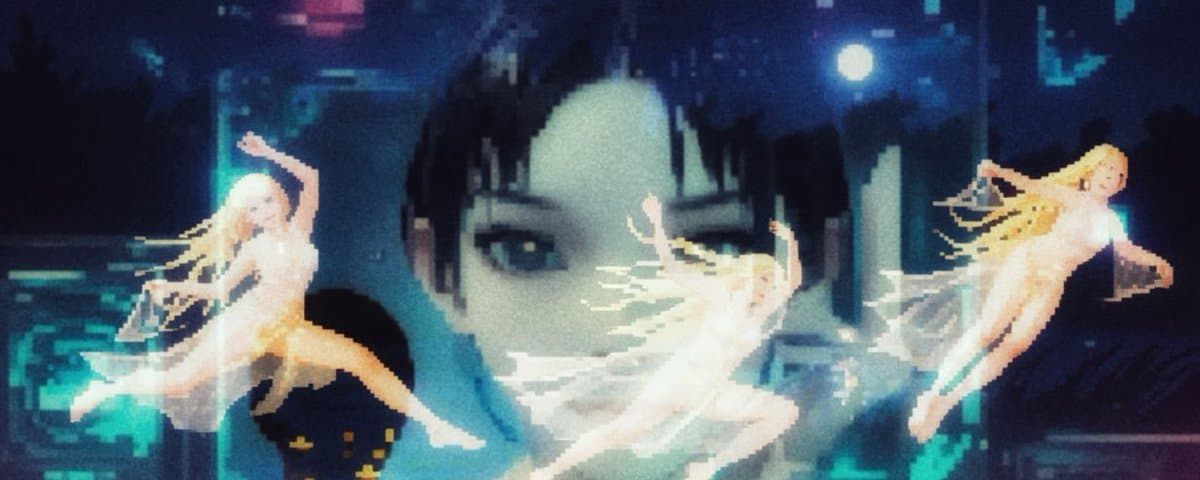
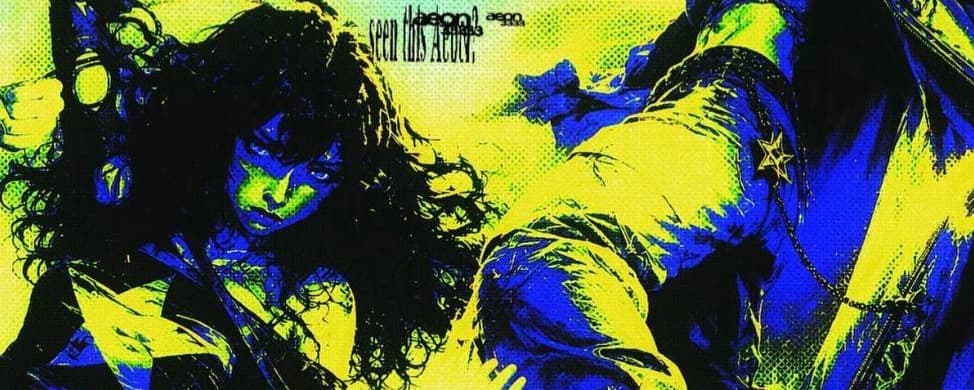
This brings me to Aeon.
When people discuss digital art, one name always appears:
CryptoPunks.
And rightfully so.
CryptoPunks became a historic collection because they were early. They represented the beginning of a new relationship between ownership, art, and the internet.
They became symbols of a moment in time.
But history doesn’t stop after the first masterpiece.
Every generation creates new artists.
Every era creates new icons.
The Renaissance had its masters.
Modern art had its revolution.
The digital age will have its own legends.
I believe Aeon represents the possibility of that next chapter.
Not because it replaces CryptoPunks.
Not because the past should be forgotten.
But because every generation deserves art that reflects its own identity.
To me, Aeons feel like the Picassos of the digital era.
Not because everyone recognizes their importance today.
Great art is rarely universally understood at the beginning.
Many important artists were misunderstood before they were celebrated.
The value of art is not only in what it looks like.
It is in what it represents.
It is a timestamp of human creativity.
A record of what people cared about.
A reflection of the culture that created it.
That is why digital art matters.
It is not just a picture on a screen.
It is a piece of history from the first generation that grew up completely connected to the internet.
Aeon represents a world where identity, creativity, and ownership are becoming increasingly digital.
A world where future generations may look back and ask:
“What did people of this era create?”
“What symbols represented them?”
“What stories did they leave behind?”
The Power of Scarcity and Conviction
One thing that separates meaningful collections from temporary trends is conviction.
A market can create attention quickly.
But only conviction creates longevity.
With Aeon, what interests me is not only the artwork itself, but the people behind it and the people holding it.
A limited amount being available, combined with strong long-term holders, creates a different dynamic. It shows that many people don’t view these pieces as simple short-term trades.
They view them as something they want to preserve.
Something they believe belongs to the future.
Whether that belief proves correct will be decided by time.
But every cultural artifact begins the same way.
Someone has to believe before the world agrees.
The Future Belongs to Those Who Build
I believe the youth of today and tomorrow will continue searching for things that feel authentic.
They will respect Bitcoin.
They will understand its importance.
They will recognize what it changed.
But they will also search for their own frontier.
Their own movement.
Their own symbols.
Because every generation wants to build something that feels alive.
Something that feels like it belongs to them.
Maybe SPX6900 becomes part of that story.
Maybe Aeon becomes one of the defining artistic symbols of this digital age.
Maybe other movements we haven’t even discovered yet will emerge.
That is the beauty of the future.
It cannot be completely predicted.
It can only be built.
The world often laughs at new ideas because the future always looks strange before it becomes normal.
The first people who believed in Bitcoin looked crazy.
The first people who believed in the internet looked crazy.
The first people who believed digital art could have cultural value looked crazy.
But every once in a while, the people who look crazy are simply the people who arrived early.
The important thing is not blindly believing everything new.
The important thing is learning to recognize when something represents a deeper change.
A change in culture.
A change in identity.
A change in how people connect.
Because at the end of the day, markets are built by people.
And people are driven by stories.
The greatest assets in history were never just things.
They were ideas.
They were movements.
They were reminders that human beings can create meaning where none existed before.
Bitcoin gave an entire generation a new way to think about money.
Perhaps the next generation will create new ways to think about community, art, and ownership.
Perhaps the next revolution will not happen in a bank.
Perhaps it will not happen in a government building.
Perhaps it will happen quietly, inside communities of people who believe that the future can look different from the past.
And maybe years from now, when people look back at this era, they won’t remember every chart or every prediction.
They will remember the people who believed.
The people who created.
The people who built something when nobody knew what it would become.
Because every generation leaves behind a legacy.
The only question is:
What will ours leave behind?